Rishikesh — Yoga Capital of the World

Yoga Capital of the World

About Rishikesh

The Town That Holds the School

Where the Ganges runs and the mountains begin.

Rishikesh is one of the places that is known for its healing vibe. This is a city where you will find the beautiful, picturesque. It is situated in the lap of the Himalayas. Rishikesh is famously known as the World’s Yoga Capital. People from all over the world visit Risieksh to learn holistic healing sciences like Yoga, Pranayama, Haritha International Sound Healing School, and more.

Etymology

ऋषिकेश

Rishi + Kesh

The sage's locks — the hair of a sadhu, witness to years of prayer and devotion.

History Behind the Name

Why we call it Rishikesh.

The word Rishikesh means the sage's lock — or the hair of a sadhu. In the spiritual journey, hair for a sage is meaningful: it carries the years of prayer and devotion.

Rishikesh has long been a place of devotion to Lord Shiva; you'll often see Shiva-bhakts here with their long matted locks. Rishi means sage, kesh means hair — when the two come together, the city's name becomes the sage's locks.

What to See & Visit

Sacred Places Near Rishikesh & Dehradun

A guide to the temples, river ghats, suspension bridges and meditation caves that surround the school — easy day trips for students between sessions.

Itharna Temple in Thano, Dehradun
01

Attraction 1 of 10

Itharna Temple in Thano, Dehradun

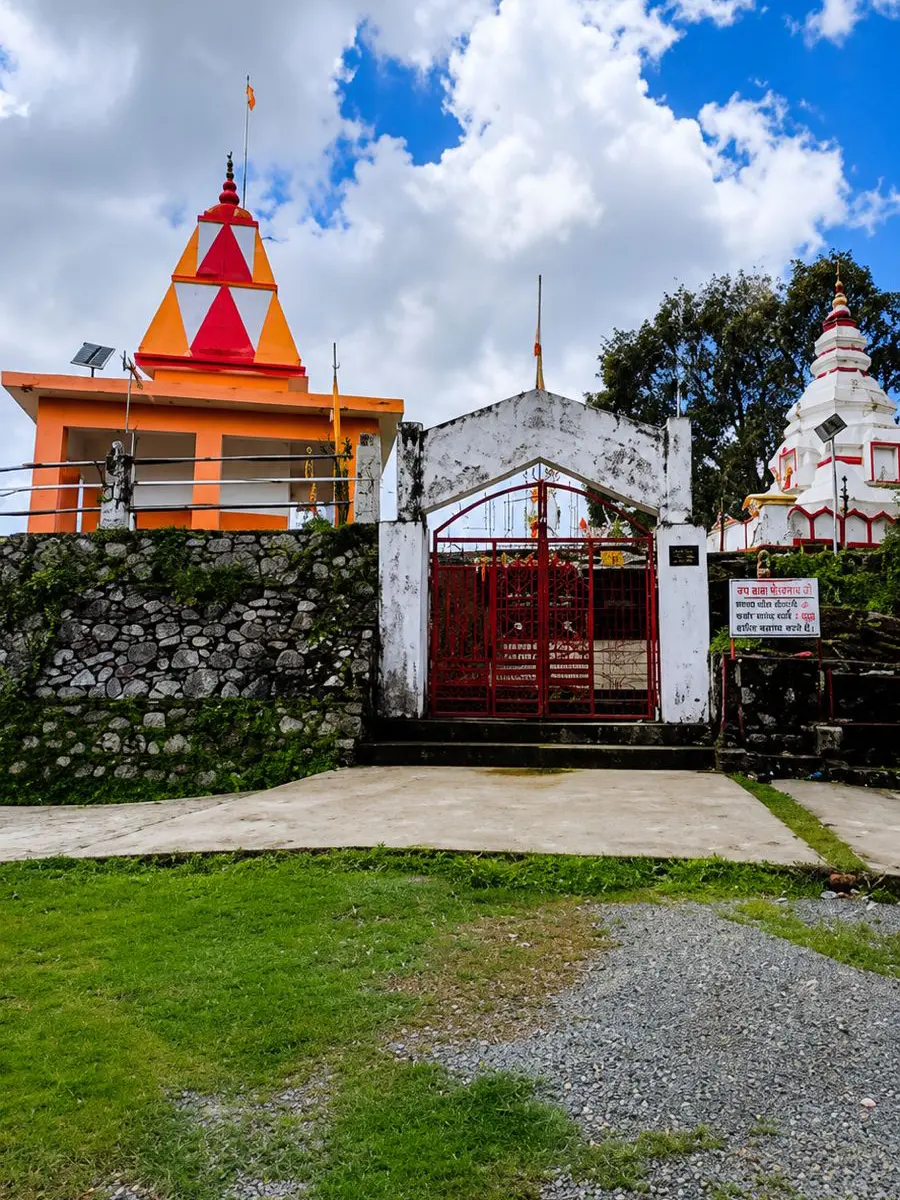
Itharna Temple is a beautiful and peacful Shiva temple located near Thano village in the Dehradun district of Uttarakhand. Surrounded by lush green mountains, open meadows, forests, and scenic valleys, the temple is considered one of the hidden spiritual gems near Dehradun and Rishikesh. The calm atmosphere and natural beauty make it a perfect place for meditation, relaxation, and spiritual connection.

The temple is mainly dedicated to Lord Shiva and attracts both devotees and nature lovers throughout the year. During the monsoon season, the area becomes especially magical as clouds float over the hills and the greenery becomes more vibrant. Visitors often enjoy the peaceful environment, mountain views, and fresh air while offering prayers at the temple.

Itharna Temple is located around 50 km from Dehradun and about 29 km from Rishikesh. The road journey itself is very scenic, passing through forests and traditional village landscapes. The temple complex also has idols of other Hindu deities like Hanuman Ji and Goddess Chamunda. Mahashivratri and the holy month of Shravan are important occasions when many devotees visit the temple for worship and special prayers.
Buddha Temple in Dehradun, India
02

Attraction 2 of 10

Buddha Temple in Dehradun, India

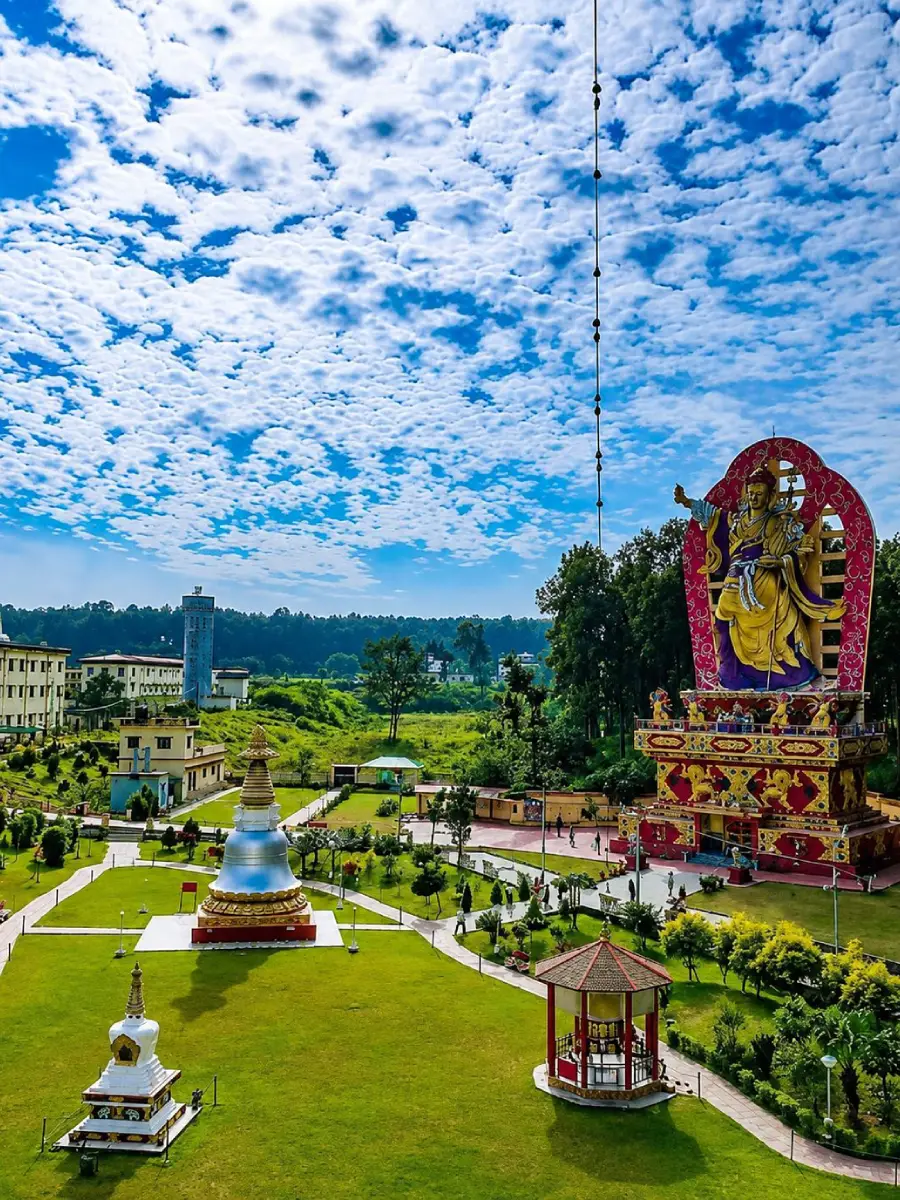
The Buddha Temple in Dehradun, popularly known as the Mindrolling Monastery, is one of the most famous Buddhist centers in India. Located in Clement Town, Dehradun, this beautiful monastery was established in 1965 by Khochhen Rinpoche and serves as an important center for Buddhist learning, meditation, and spiritual practice. The monastery belongs to the Nyingma school of Tibetan Buddhism and attracts thousands of visitors, monks, and tourists from around the world every year.

One of the main attractions of the temple is its magnificent Great Stupa, which is considered among the tallest Buddhist stupas in Asia. The temple complex is decorated with colorful Tibetan artwork, detailed wall paintings, sacred symbols, and golden statues that reflect the rich culture and traditions of Tibetan Buddhism. Visitors can walk peacefully around the monastery, spin prayer wheels, and experience a calm and spiritual atmosphere.

The surrounding gardens, peaceful environment, and mountain views make the Buddha Temple an ideal place for meditation and relaxation. Many visitors come here not only for religious purposes but also to enjoy the serene beauty and positive energy of the place. The monastery also has schools, meditation halls, and small shops selling Tibetan handicrafts and food items, making it a unique cultural and spiritual destination in Dehradun.

Robber's Cave in Dehradun, India
03

Attraction 3 of 10

Robber's Cave in Dehradun, India

Robber's Cave, locally known as Guchhupani, is one of the most famous natural attractions in Dehradun, Uttarakhand. Located around 8 kilometers from the city center near Anarwala village, this unique river cave is surrounded by hills, forests, and limestone rock formations. The cave is about 600 meters long and is divided into two main sections with a stream of cold water flowing through it, creating a thrilling and refreshing experience for visitors.

The cave got its name from local legends that robbers used this hidden place during the British era to hide from authorities and store their loot. Because of its narrow passages and mysterious atmosphere, it became known as "Robber's Cave."

One of the most exciting parts of visiting Robber's Cave is walking barefoot through the cool water between tall rocky walls. At the end of the cave, visitors can enjoy a small natural waterfall and beautiful scenic surroundings. The place is especially popular during summer because of its cold water and peaceful environment.

Robber's Cave is also a favorite picnic and photography spot for tourists, adventure lovers, families, and nature enthusiasts. The combination of natural beauty, adventure, and historical mystery makes it one of the must-visit destinations in Dehradun.

Vashistha Cave in Rishikesh, India
04

Attraction 4 of 10

Vashistha Cave in Rishikesh, India

Vashistha Cave is one of the most peaceful and spiritually powerful meditation caves near Rishikesh. Located around 25 kilometers from Rishikesh on the Badrinath Highway near Shivpuri, this ancient cave is situated on the banks of the holy River Ganga and surrounded by beautiful forests and Himalayan hills. The cave is believed to be more than 3,000 years old and is associated with the great sage Maharishi Vashistha, one of the seven revered sages (Saptarishis) in Hindu tradition.

According to mythology, Sage Vashistha performed deep meditation and spiritual practices inside this cave after the death of his children. Because of this, the cave is considered a sacred place filled with strong spiritual vibrations and peaceful energy. Inside the cave, there is a naturally formed Shiva Lingam where visitors meditate and offer prayers in silence.

The atmosphere inside the cave is extremely calm, dark, and quiet, making it an ideal place for meditation, self-reflection, and inner healing. Many spiritual seekers, yoga students, monks, and travelers visit Vashistha Cave to experience deep peace away from city life. The nearby Ganga beach also adds to the beauty and serenity of the place, making it one of the most special spiritual destinations around Rishikesh.

Bhoothnath Temple in Rishikesh, India
05

Attraction 5 of 10

Bhoothnath Temple in Rishikesh, India

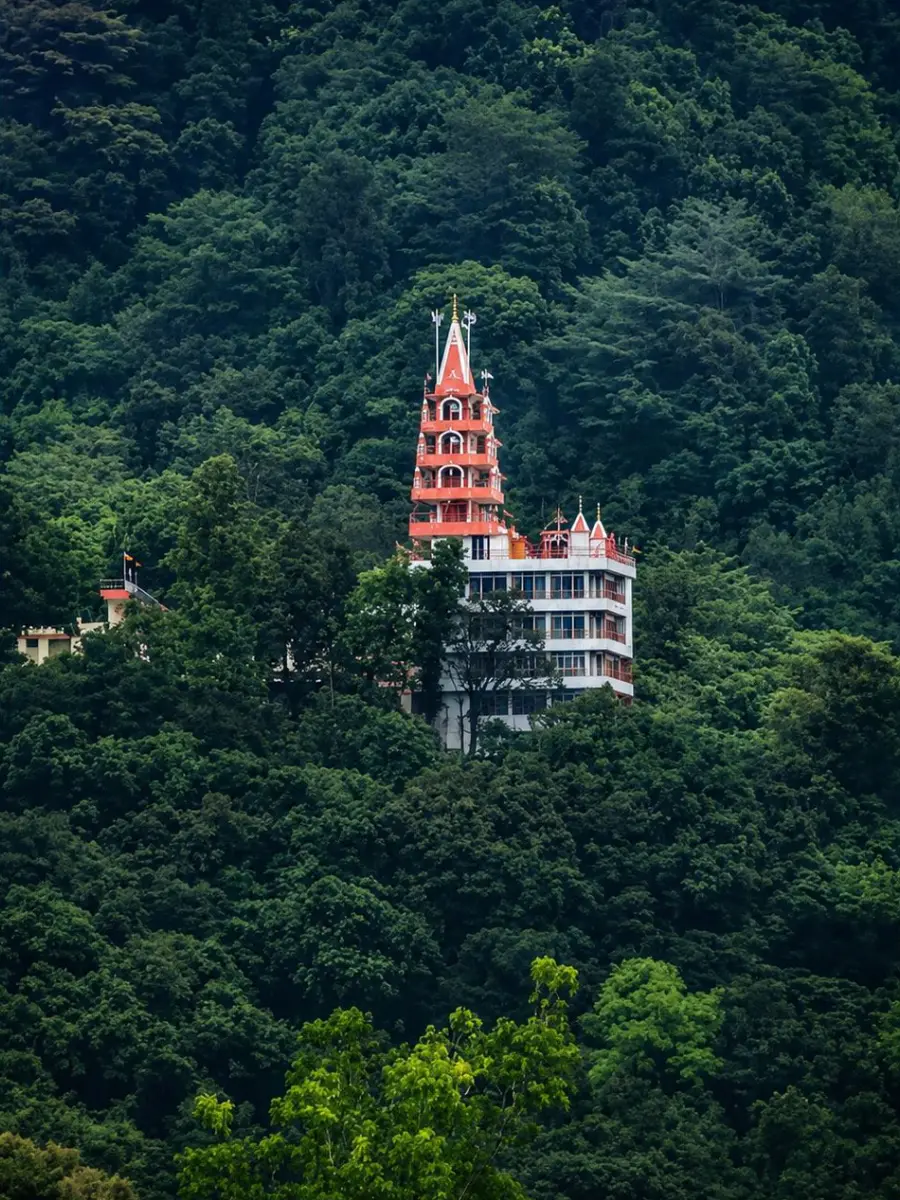
Bhootnath Temple is one of the most famous and spiritually significant temples in Rishikesh. Located near Ram Jhula and surrounded by the peaceful Himalayan foothills, the temple is dedicated to Lord Shiva, who is worshipped here in the form of "Bhootnath," meaning the Lord of Spirits and Divine Beings. The temple is well known for its calm atmosphere, spiritual energy, and breathtaking views of Rishikesh and the holy River Ganga.

The temple is built in a multi-storey structure, and each floor contains different shrines dedicated to various Hindu gods and goddesses. As visitors climb higher, they can enjoy panoramic views of Ram Jhula, the Ganga River, nearby ashrams, forests, and mountains. The top floors provide a beautiful spiritual and scenic experience, especially during sunrise and sunset.

According to local beliefs, Lord Shiva meditated at this sacred place after consuming poison during the Samudra Manthan (churning of the ocean). Because of this connection, many devotees visit the temple to seek blessings, peace, and spiritual growth.

Bhootnath Temple is also a popular destination for yoga practitioners, meditation seekers, photographers, and travelers who wish to experience the spiritual culture of Rishikesh. The peaceful surroundings and divine atmosphere make it a must-visit place in the Yoga Capital of the World.

Triveni Ghat in Rishikesh, India
06

Attraction 6 of 10

Triveni Ghat in Rishikesh, India

Triveni Ghat is one of the most sacred and famous river ghats in Rishikesh. Located on the banks of the holy River Ganga, Triveni Ghat is an important spiritual destination where thousands of devotees and tourists gather every day to take a holy dip and participate in prayers and rituals. The name "Triveni" means the meeting point of three sacred rivers — Ganga, Yamuna, and Saraswati — which are believed to spiritually unite at this place.

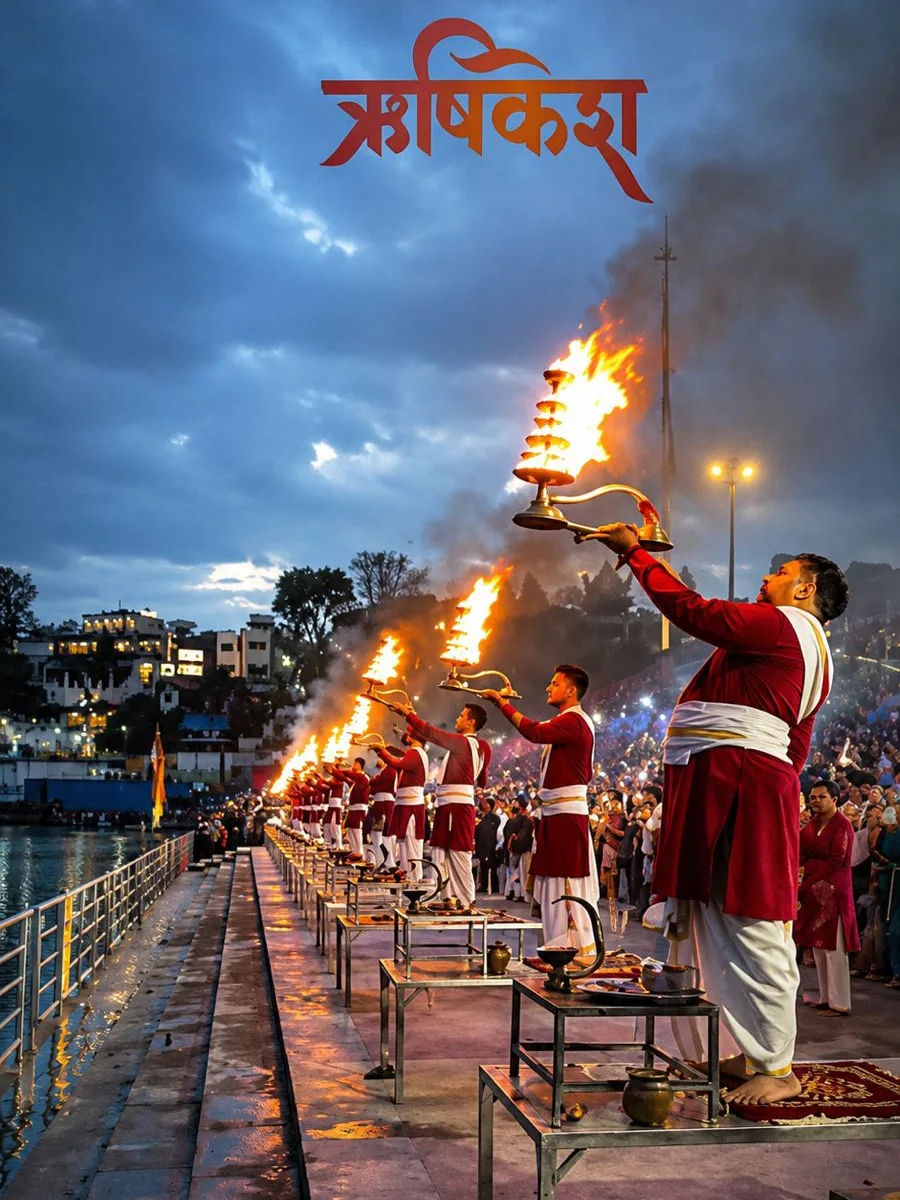
The ghat is especially famous for its evening Ganga Aarti, a beautiful spiritual ceremony performed with oil lamps, devotional songs, mantras, and prayers dedicated to Mother Ganga. During the aarti, the entire atmosphere becomes peaceful and divine as the sound of bells, chanting, and flowing river water creates a deeply spiritual experience. Many visitors float small lamps with flowers on the river as a symbol of devotion and gratitude.

Triveni Ghat is also considered an important place for meditation, yoga, and self-reflection. Pilgrims believe that taking a dip in the holy water helps purify the mind and soul and washes away negative energies. Surrounded by temples, ashrams, and spiritual energy, Triveni Ghat remains one of the most beautiful and spiritually uplifting places in Rishikesh, the Yoga Capital of the World.

Parmarth Niketan in Rishikesh, India
07

Attraction 7 of 10

Parmarth Niketan in Rishikesh, India

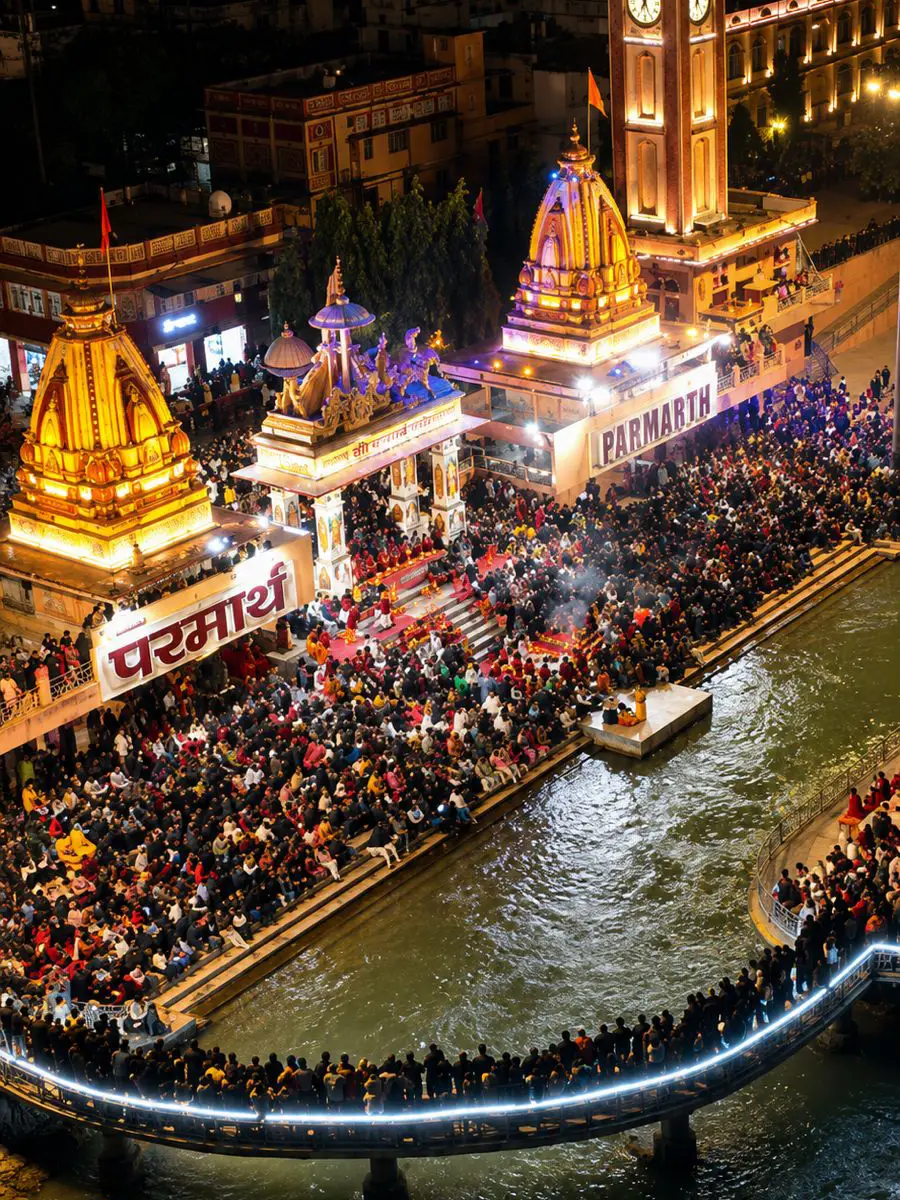
Parmarth Niketan is one of the largest and most famous spiritual ashrams in Rishikesh, located near Ram Jhula on the banks of the holy River Ganga. The ashram is internationally known for its beautiful evening Ganga Aarti, which attracts spiritual seekers, yoga students, tourists, and devotees from all over the world. The Ganga Aarti at Parmarth Niketan is considered one of the most peaceful and spiritually uplifting experiences in Rishikesh.

Every evening, as the sun sets behind the Himalayan hills, the ashram fills with devotional music, Vedic chanting, prayers, and the sound of bells. Young students of the ashram dressed in traditional saffron clothes perform the sacred ceremony with large oil lamps while offering prayers to Mother Ganga. The atmosphere becomes deeply spiritual as hundreds of people sit together in silence, meditation, and devotion beside the flowing river.

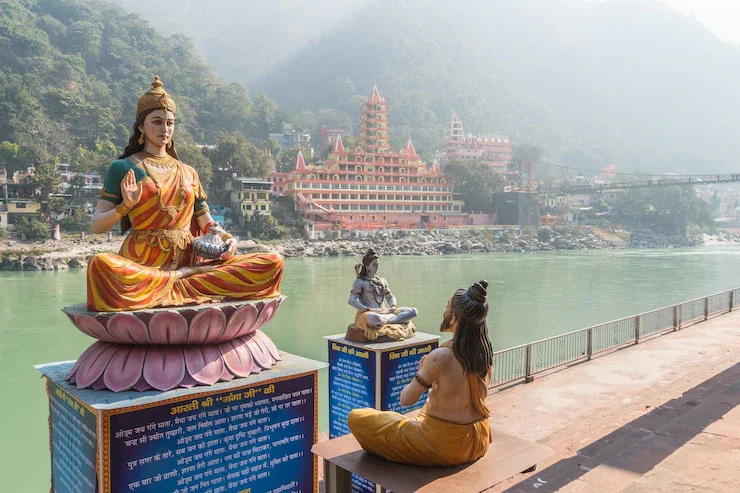
The giant Shiva statue near the Ganga and the beautiful riverside setting make the experience even more memorable. Visitors often describe the aarti as calming, emotional, and transformative. Many people participate by singing bhajans, meditating, or floating flower lamps on the river.

Parmarth Niketan Ganga Aarti beautifully represents the spiritual culture and peaceful energy of Rishikesh, making it one of the must-visit experiences in the Yoga Capital of the World.

Ram Jhula in Rishikesh, India
08

Attraction 8 of 10

Ram Jhula in Rishikesh, India

Ram Jhula is one of the most famous landmarks and tourist attractions in Rishikesh, Uttarakhand. Built across the holy River Ganga, Ram Jhula is a long iron suspension bridge that connects the areas of Muni Ki Reti and Swarg Ashram. The bridge is around 450 feet long and offers breathtaking views of the river, surrounding temples, ashrams, forests, and Himalayan hills.

Ram Jhula is not only an important transportation link for local people and pilgrims but also a spiritual and cultural center of Rishikesh. The area around the bridge is filled with famous ashrams, yoga centers, temples, cafés, and shops selling spiritual books, handicrafts, clothes, and Ayurvedic products. Many visitors enjoy walking across the bridge while watching the peaceful flow of the Ganga and the beautiful natural scenery.

The bridge is especially lively during sunrise and sunset when devotees, tourists, yoga students, and sadhus gather in the area. Nearby attractions include Parmarth Niketan, Swarg Ashram, and several riverside cafés and meditation centers.

Ram Jhula perfectly represents the spiritual beauty and peaceful atmosphere of Rishikesh, often called the Yoga Capital of the World. Walking across this iconic bridge gives visitors a memorable experience of spirituality, nature, and local culture together.

Lakshman Jhula in Rishikesh, India
09

Attraction 9 of 10

Lakshman Jhula in Rishikesh, India

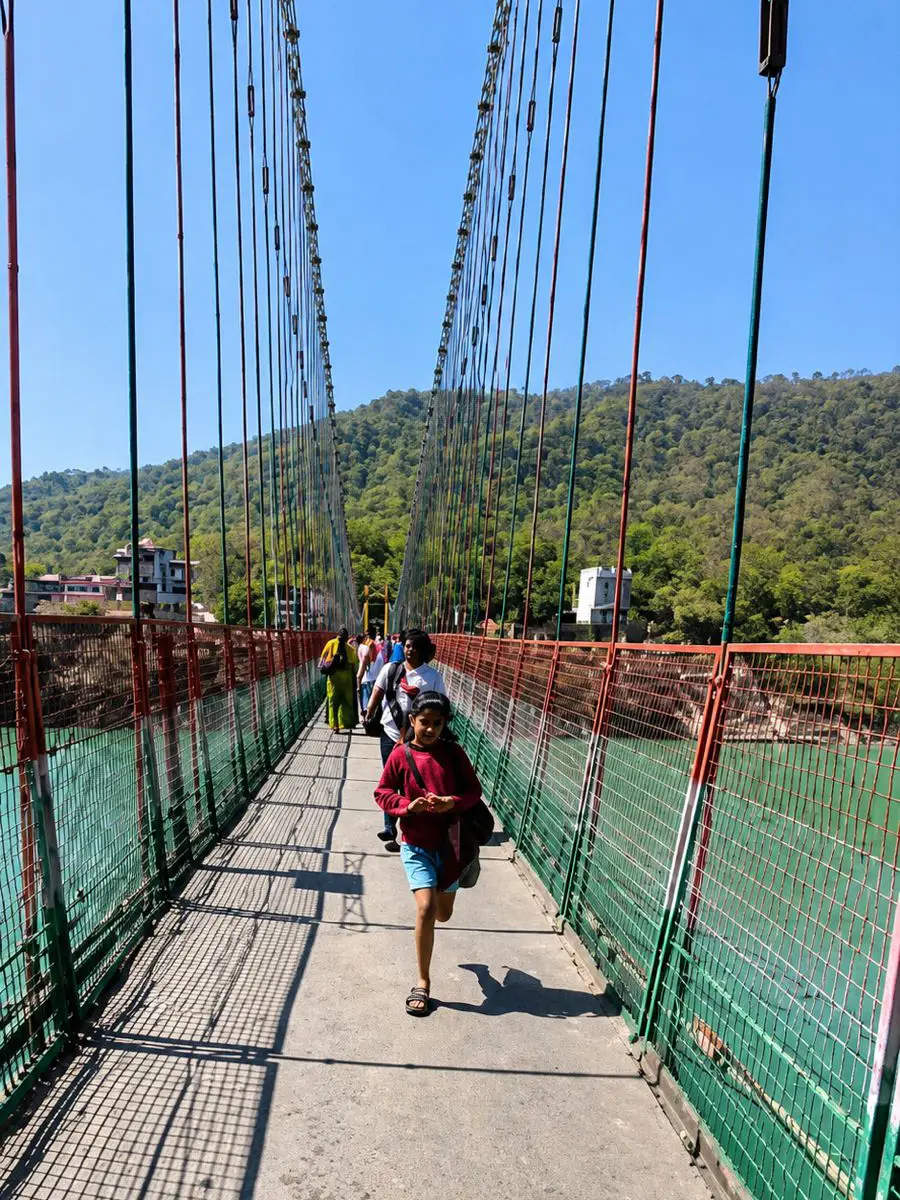
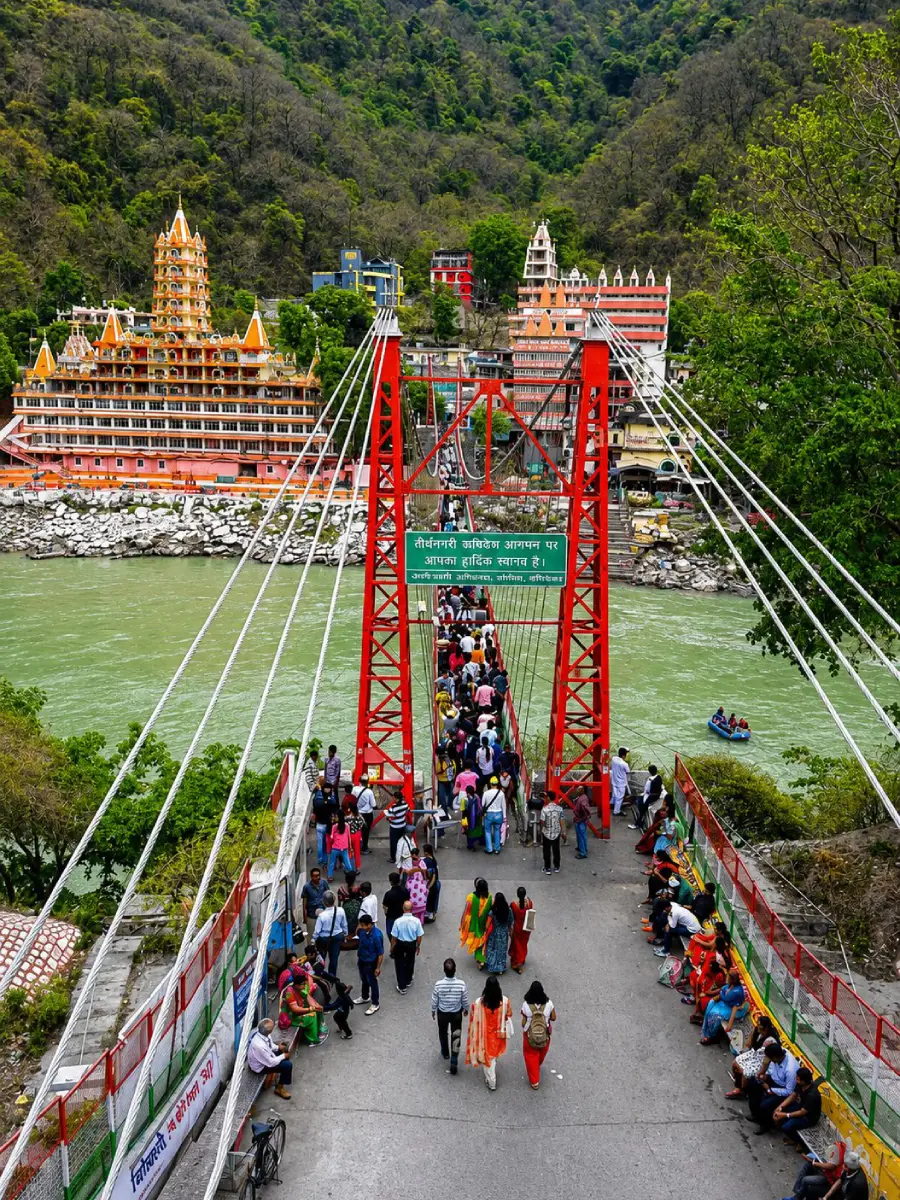
Lakshman Jhula is one of the most iconic and historic landmarks in Rishikesh. This famous suspension bridge is built across the holy River Ganga and connects the villages of Tapovan and Jonk. Surrounded by temples, ashrams, cafés, and the scenic Himalayan foothills, Lakshman Jhula is a major attraction for pilgrims, spiritual seekers, and tourists from around the world.

According to Hindu mythology, Lord Lakshman, the younger brother of Lord Rama, crossed the River Ganga at this location using a rope bridge made of jute. The present iron suspension bridge was constructed in 1929 and has since become a symbol of Rishikesh's spiritual and cultural identity.

Walking across Lakshman Jhula offers breathtaking views of the flowing Ganga River, colorful temples, yoga centers, and surrounding mountains. The bridge area is always lively with local markets, street food stalls, spiritual music, and travelers exploring the beauty of Rishikesh. Nearby attractions include the famous Tera Manzil Temple, Gita Bhawan, and several yoga and meditation centers.

Lakshman Jhula is especially beautiful during sunrise and sunset when the golden light reflects on the river and hills. The peaceful spiritual atmosphere and natural beauty make it one of the must-visit places in the Yoga Capital of the World.

Mauni Baba Cave in Rishikesh, India
10

Attraction 10 of 10

Mauni Baba Cave in Rishikesh, India

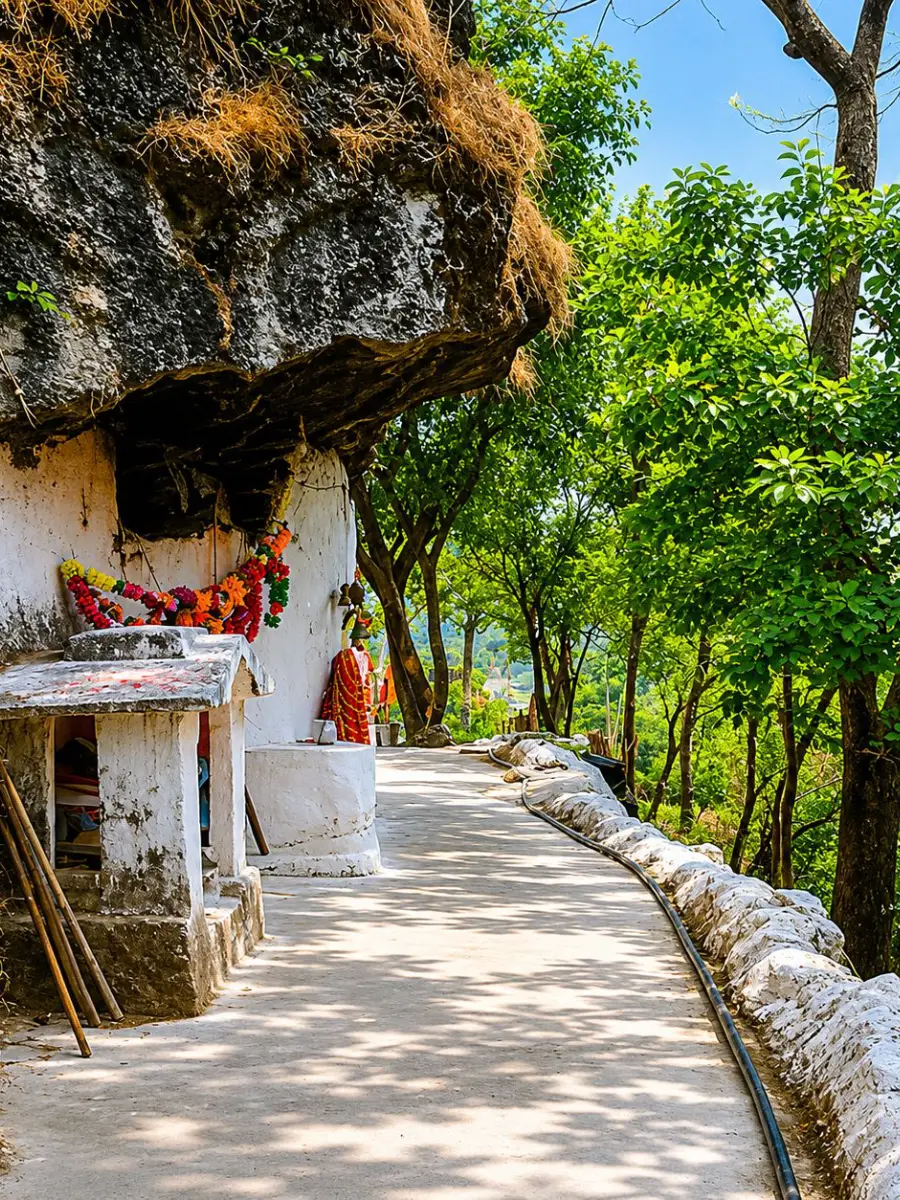
Mauni Baba Cave is a peaceful spiritual cave located in the beautiful Himalayan surroundings near Rishikesh. The cave is associated with Mauni Baba, a saint known for practicing silence, meditation, and deep spiritual discipline. The word "Mauni" means silent, and the cave is considered a sacred place where sages and spiritual seekers performed meditation and self-realization practices for many years.

Surrounded by forests, hills, and the natural beauty of the Ganga valley, the cave offers a calm and deeply spiritual atmosphere away from the noise of city life. Many visitors come here to meditate, relax, and experience inner peace. The environment around the cave is quiet and filled with positive energy, making it an ideal place for yoga practitioners, meditators, and travelers searching for spiritual experiences in Rishikesh.

The cave is simple yet powerful in spiritual significance. Inside, visitors often sit in silence, chant mantras, or practice breathwork and meditation. The cool natural surroundings and peaceful atmosphere create a feeling of deep calmness and connection with nature.

Mauni Baba Cave represents the traditional yogic lifestyle of the Himalayas, where silence and meditation are considered paths to spiritual awakening. Visiting this sacred place allows people to experience the peaceful and mystical side of Rishikesh, known worldwide as the Yoga Capital of the World.

Plan Your Stay

Come, train, and let the town hold you.

Whether you're looking for a teacher training, a short retreat, or a single healing session — we'll help you arrange your travel, your stay, and your time in Rishikesh.

Globally Recognized & Trusted

Trusted Worldwide

Accredited by respected organizations and trusted by students worldwide for authentic, high-quality healing education.

  • Yoga Alliance
  • YACEP — Yoga Alliance Continuing Education Provider
  • Haritha International Sound Healing School
  • Haritha International Sound Healing
  • Haritha Ayurveda
  • STED

Get In Touch

Begin Your Healing Journey with Haritha

We're Here to Help

Share your details and our team will personally guide you in choosing the right course, accommodation, and a complete healing experience in Rishikesh.

Visit Us

Haritha International Sound Healing – Rishikesh, India

Follow Us

Haritha Swargashram Center Location
📅 Our next Sound Healing Teacher Training batch starts on 15th May and 1st June. Know More →    🔔 Early Bird Discount: Save 10% on TTC. Only 1 seat left for 15th May and 2 seats left for 1st June. Book Now →    🌱 No prior experience required — beginners are welcome.